
Knockdown Rebuild, Renovate or Develop? How to Plan Your Next Residential Project
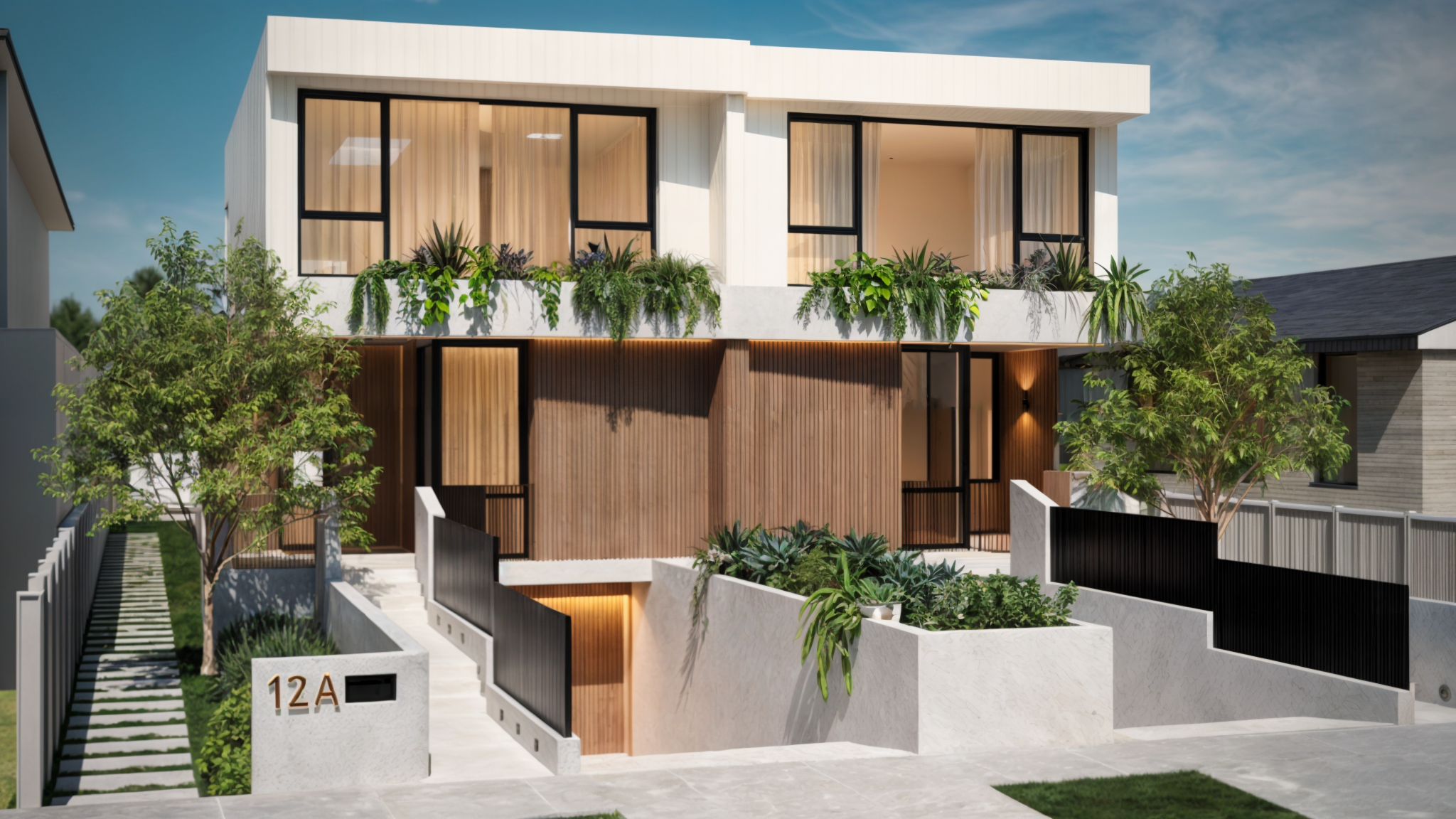
If you own an older home on a good block, you’ve probably asked the question: should you renovate, rebuild or develop?
In 2026, the answer has more moving parts than ever. New energy and accessibility standards apply to new homes, building costs remain high and the federal tax changes starting on 1 July 2027 treat a project differently depending on how many dwellings you build. Here’s how to weigh up the options and plan the project properly.
Your Three Main Options
Renovate
Keeps the existing structure and usually costs less upfront. It suits homes with good bones, character value or planning protections that limit demolition. The risk is the unknown: older homes can hide structural, plumbing, electrical and asbestos problems that only appear once work starts.
Knockdown rebuild
Replaces the existing home with a new one. You get a modern layout, better energy performance and fewer surprises once construction starts. It usually costs more and takes longer, and demolition may not be allowed if the home is protected by a character or heritage overlay.
Develop
Adds more dwellings to the site, such as a dual occupancy, a secondary dwelling or, on larger sites, townhouses. It can add the most value but carries the most planning, finance and construction risk.
The 2027 Tax Changes Now Affect the Decision
From 1 July 2027, negative gearing on residential property is limited to eligible new builds, which keep both negative gearing and the option of the 50% CGT discount. The test is whether the project genuinely adds to housing supply. Under the draft rules, replacing one house with one new house doesn’t qualify. Replacing it with two separately titled dwellings can. The ATO’s tax reform page has the official summary. If the property is or will be an investment, get tax advice before you lock in the design. Investors exploring projects that add dwellings often find the extra dwelling changes both the tax position and the income.

Standards for new homes
New homes in Queensland must meet the Modern Homes standards. Livable housing requirements, including a step-free entry and an accessible toilet, took effect on 1 October 2023. Energy efficiency requirements, including 7 stars for most houses and townhouses and a whole-of-home energy budget, commenced on 1 May 2024. The Queensland Government explains the standards. Build them into the design from the start rather than retrofitting them later.
Approvals
Check your zoning, overlays and approval pathway before you design. In Brisbane, City Plan online shows the zone and overlays for any property. Some projects can proceed as accepted development with a building approval from a private certifier. Others need a development application to council. In New South Wales, some projects can use a complying development certificate instead of a full development application.
Licensing and Insurance
In Queensland, residential building work over $3,300 generally needs a licensed contractor, and home warranty insurance must be paid for work of that value, as the QBCC explains. Check every contractor’s licence before you sign and make sure the contract, variations and payment schedule are in writing.
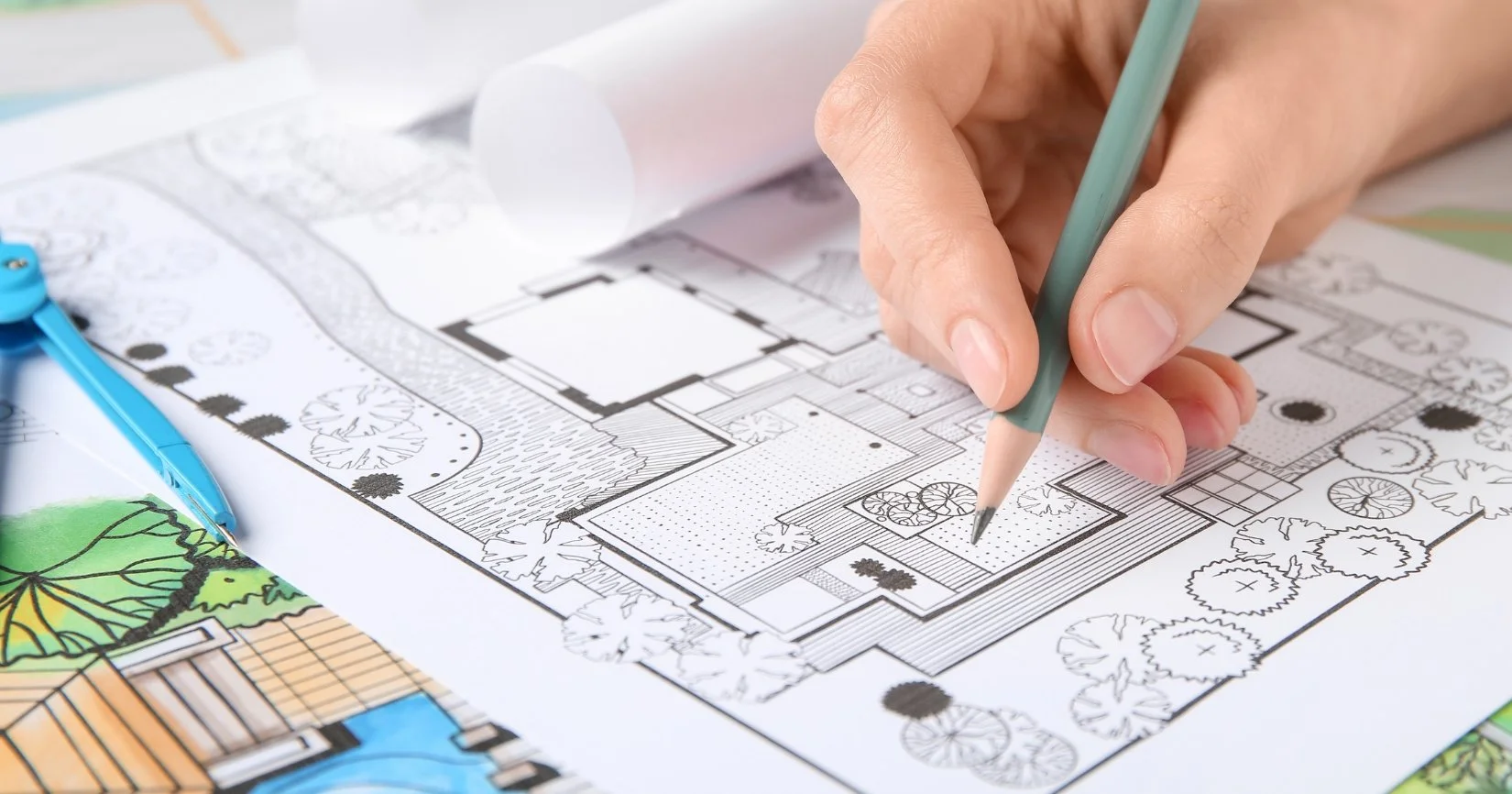
Budget like a project manager
Get the full cost. Include design, approvals, infrastructure charges, demolition, connections, landscaping and finance costs, not just the build contract.
Allow a contingency. Renovations in particular need a buffer for what you find once walls come down.
Plan where you’ll live. Factor in rent or holding costs during the build.
Track variations. Small changes add up quickly. Agree the cost of every variation before work proceeds.
Think about the end value. Make sure the finished project is worth more than it costs. The location and land you start with will do much of the work.
What a construction project manager does
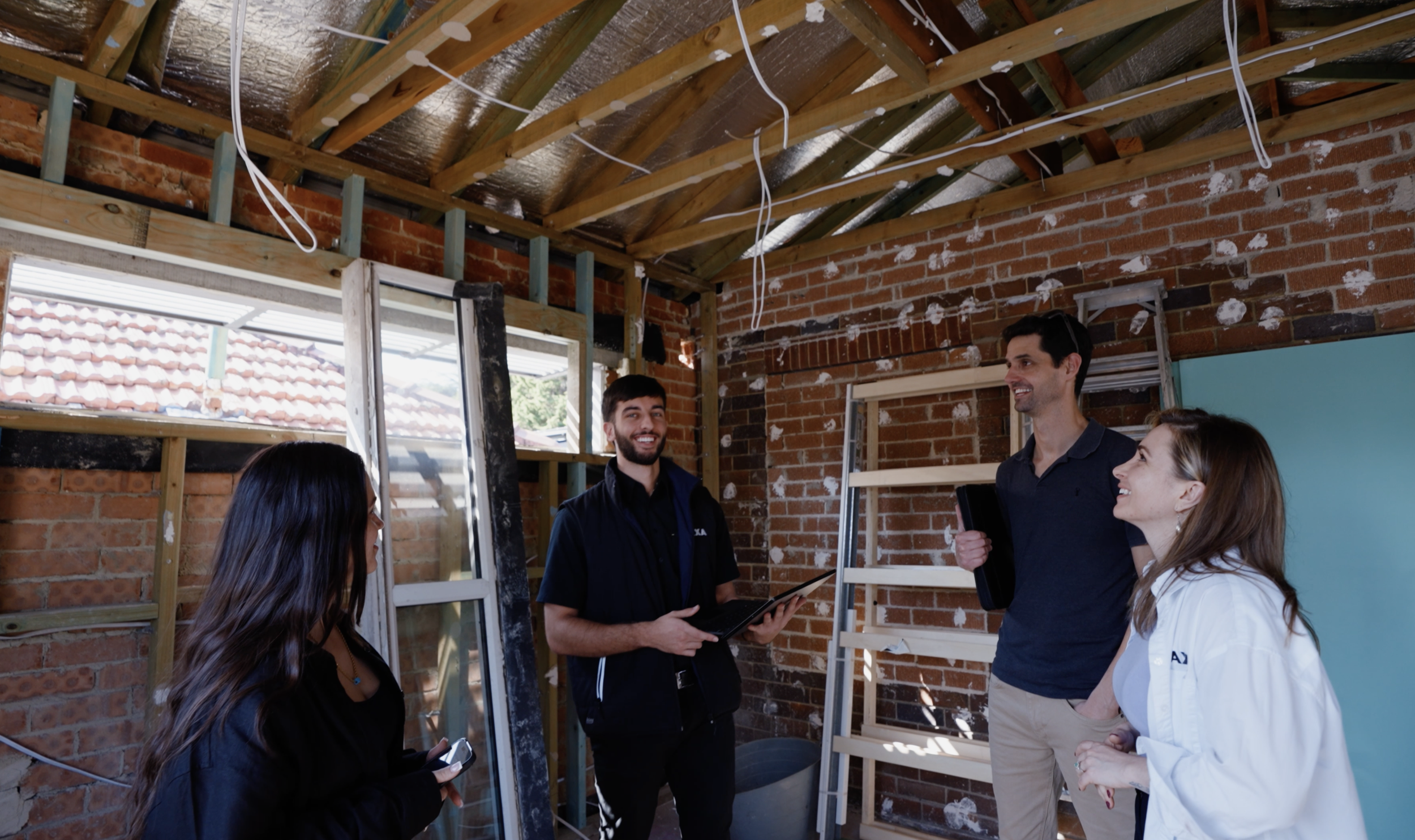
A project manager represents you, not the builder. That can include feasibility, coordinating designers and consultants, approvals, tendering, contract management, quality checks and handover. On complex or high-value projects, independent oversight can save more than it costs by keeping the program, budget and quality on track.
Frequently asked questions
Is it cheaper to renovate or knock down and rebuild?
Renovating usually costs less upfront, but major renovations on older homes can approach the cost of a rebuild once hidden problems are found. Get both options priced before deciding.
Does a knockdown rebuild count as a new build for tax?
Only if it increases the number of dwellings on the land, under the draft rules. Replacing one house with one new house doesn’t qualify.
Do I need home warranty insurance?
In Queensland, home warranty insurance applies to residential building work over $3,300 done by a licensed contractor.
Do new homes have to meet 7-star energy ratings?
In Queensland, most new houses and townhouses must achieve 7 stars for thermal performance since 1 May 2024, with lower requirements for some eligible homes.
Our View
The right answer depends on the site, the budget and what the property needs to do for you. What matters most is making the decision with the full picture: planning, standards, tax, cost and end value. Projects go wrong when that work is skipped at the start.
Weighing up a renovation, rebuild or development? Talk to GAXA Projects about feasibility and project management from concept to handover. Email info@gaxaprojects.com.au or call 02 9053 9090.
This article is general information only and is current as at October 2026. It isn’t financial, tax, legal or building advice and doesn’t take into account your circumstances. Rules and standards change, so confirm current requirements with the relevant authority and get advice specific to your project before you act.